Delivering health care to children can be challenging for multiple reasons. NWMPHN is co-designing and commissioning services that find innovative ways of improving access, building partnerships and capability to sustainably improve care to young people in the region.
NWMPHN is working with a range of providers to address this by establishing services that circumvent barriers to care – geographical and financial – for children, adolescents and their families.
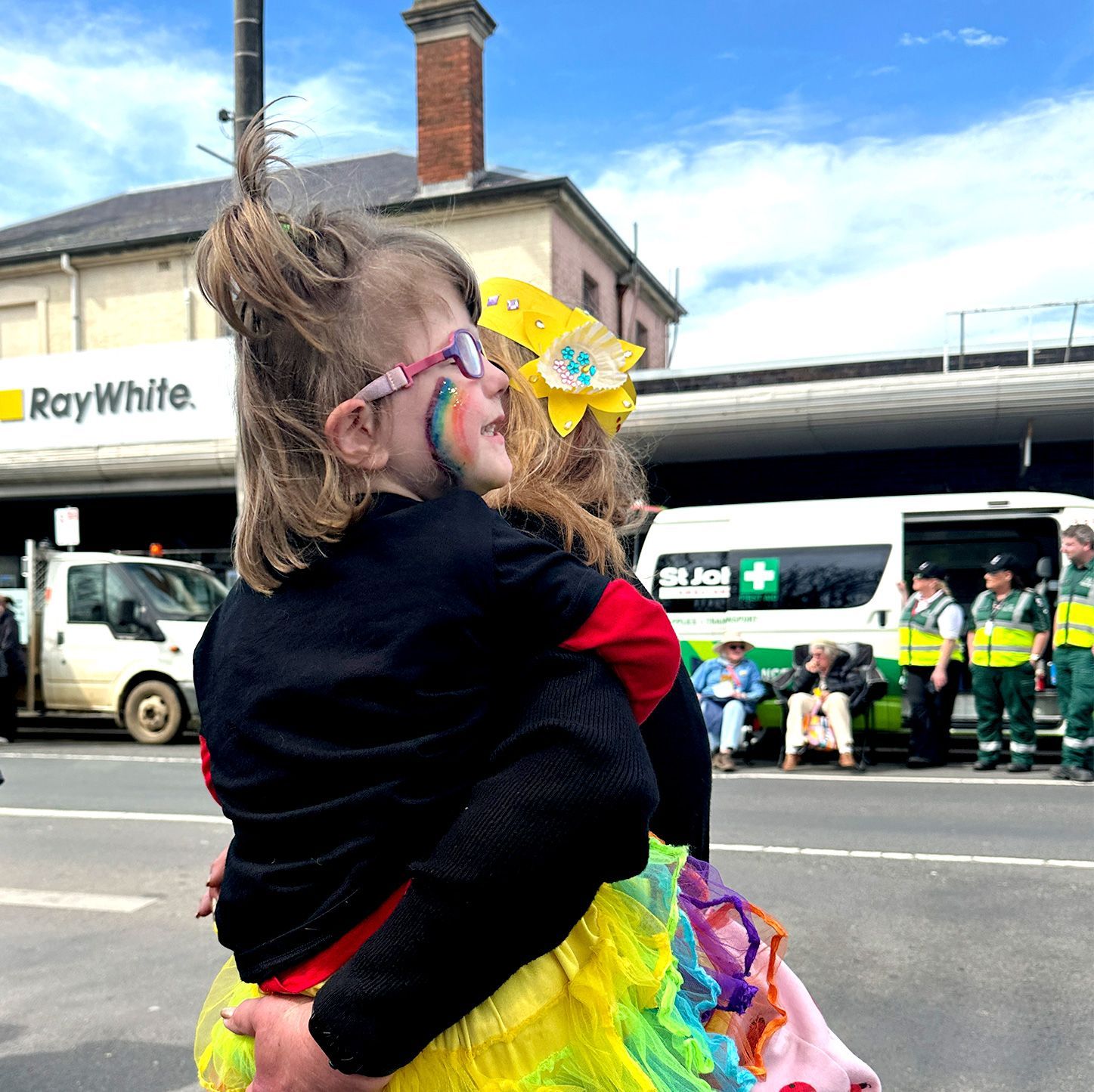
Pictured: Enjoying the community daffodil festival in Macedon Ranges. Credit - Julie Sucksmith
Integrating access to paediatric services
Beyond routine conditions, some GPs opt to refer complex or unusual cases involving children to specialist paediatricians. And while that is a clinically sound pathway to tread it is one that can create significant difficulties for the young patients and their families.
Paediatricians are usually based in hospitals and may have very long waitlists. The hospitals, too, may not be easy to reach. Sometimes necessary additional supports, such as translators, can be difficult to access.
This year NWMPHN continues to work with a range of providers to ensure children access the services they need. Programs include the ADHD shared care pilot and Working Together for Kids.
Working Together for Kids, delivered by Werribee Mercy Hospital, provides a paediatrician at schools. The program aims to improve the physical and mental health of children experiencing social, economic or health disadvantage and who do not typically have timely access to paediatric services. It can also serve as a referral conduit into allied health, general practice and other medical specialties, to establish connections and pathways for routine and ongoing primary care.
“We’re not paediatricians working in isolation,” said Dr Sophie Butcher, a paediatrician who works at the community hub at Wyndham Park Primary School.
“Instead, we work closely with school staff, including teachers, assistant principals, wellbeing teams and community hub coordinators, to support both the child and their family in a holistic way.
“The challenges children experience are often shaped by the broader environmental stressors in their lives, and addressing these effectively requires a collaborative, team-based approach. Our clinic has been able to support some of the most vulnerable families, often when other services have struggled.”
To read more visit: Working together for kids: a place-based approach to paediatrics
Further evidence of the effectiveness of closer links between primary and specialist services came in December 2025, with an evaluation of another paediatric project, Strengthening Care for Children, published in the
Medical Journal of Australia. NWMPHN believes with further investment this care model can be expanded to have the same impact anywhere in Australia.
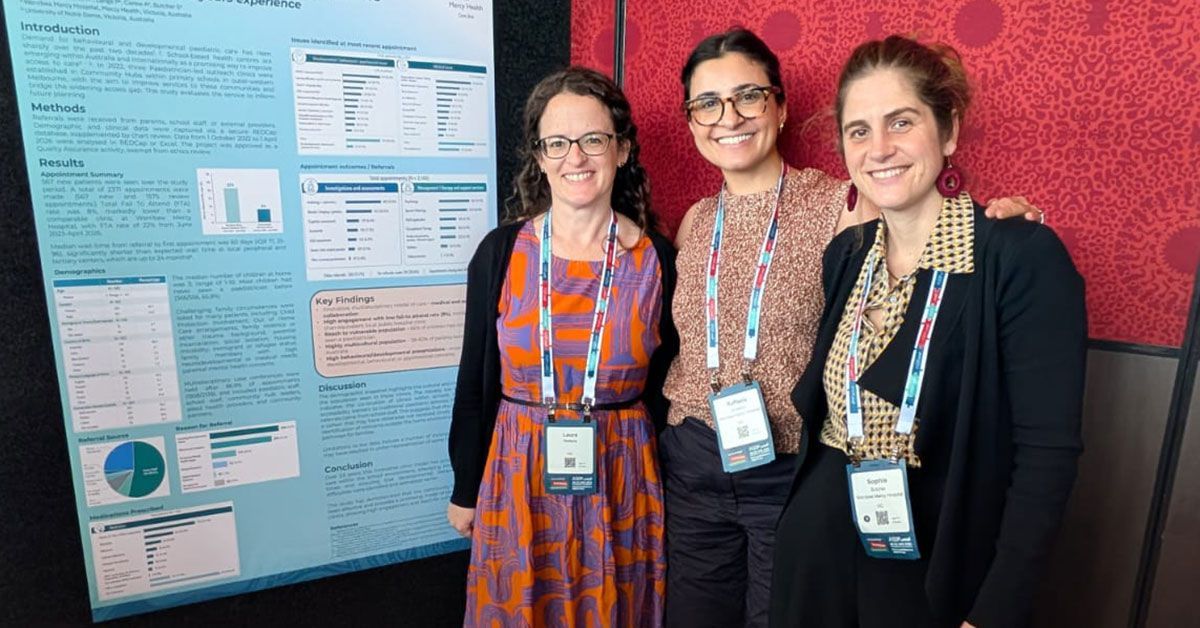
Pictured: Mercy Health's Dr Laura Watkins (left), Dr Raffaela Armiento and Dr Sophie Butcher. Image provided by Mercy Health.
Collaboration across the system to support children with asthma
High rates of childhood asthma in the in the western suburbs of Melbourne has called for a targeted and collaborative approach to support local care. NWMPHN has supported the Victorian Government’s Improving Childhood Asthma Management (ICAM) program over a number of years fostering collaboration with asthma care services and capability building for general practices.
In May 2025, NWMPHN led the final ICAM community of practice session, with a wrap up of asthma updates for the past year and how these can be implemented into practice. Program evaluation due in December 2026.
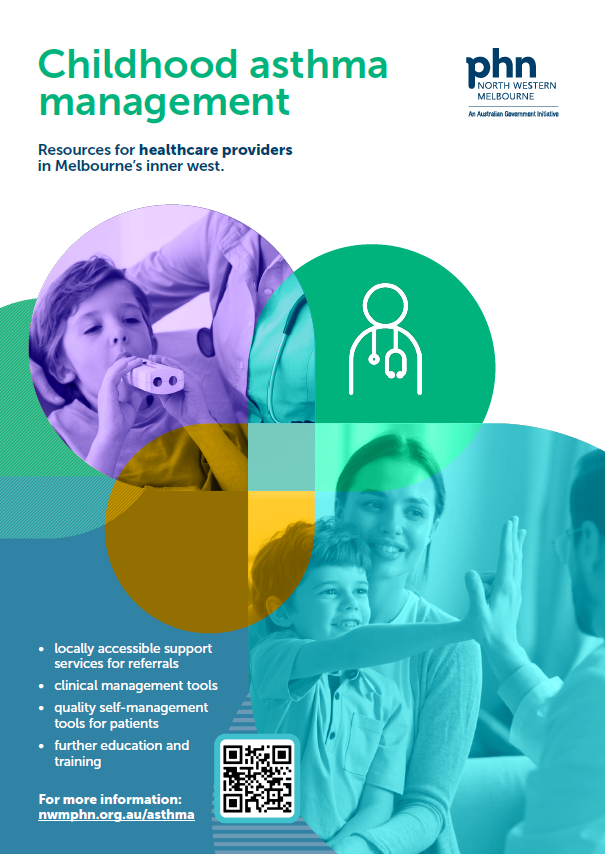
Pictured: ICAM project resources on the NWMPHN website.
Across the Improving Childhood Asthma Management (ICAM) program ...
children received improved asthma medication support.
families were connected with community asthma programs.
of children and carers received teach-back education on how to use inhalers and spacers correctly, up from 39%.
of children left hospital with a follow-up GP appointment already booked, compared with no routine before the project.
Working with young people
Doctors in Secondary Schools (DiSS) is a statewide program that puts GP-nurse teams into purpose-built clinics in State high schools every week through term times.
Operating since 2017, the program provides equitable, accessible and professional primary health care services. By mid-year 2025, the program recorded 100,000 consultations since commencement. In 2025-26, in the NWMPHN region, there were 1,565 face-to-face consultations with DiSS GPs and 1,653 with practice nurses.
The program complements existing student wellbeing programs aimed at improving health literacy and encouraging preventive health.
This year schools continued to adapt and innovate within the program. For example, Footscray High School developed a nurse-led sexually transmitted infection pop-up clinic, and Glenroy College developed the Year 7 health checks to build early familiarity with the program.
It also aligns with another NWMPHN school-anchored program, the Enhancing Mental Health Support in Schools (EMHSS) initiative.
Through this, Victorian government secondary school students are able to access primary mental health support through participating headspace centres.
There is a dedicated regional telehealth counselling service for students in regional and rural areas who attend a school that is located more than 80 kilometres from their nearest participating headspace centre.
The program is funded by the Victorian Department of Education. NWMPHN performs the statewide lead coordination role.
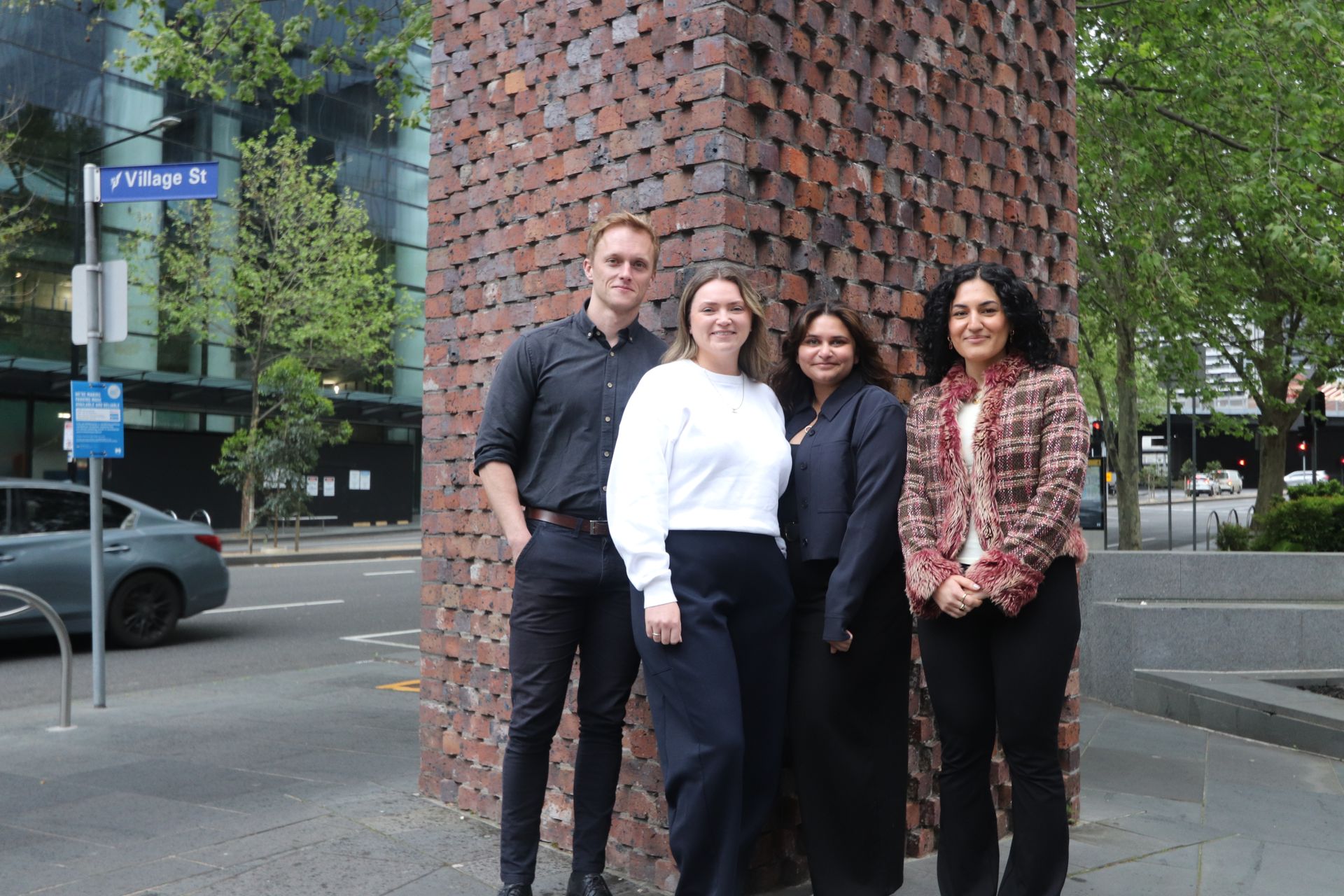
Pictured: NWMPHN's DiSS team (L to R) Joss Knol, Ash Jones, Aparna Bala and Isabella Amirikhas.
Healthy bodies and minds for new dads
NWMPHN funds Melbourne-band lifestyle coaching charity Dadfit Community Ltd to deliver five-week courses to build connections and confidence for male parents.
The Dadfit program supports fathers of children aged up to 12 in culturally and linguistically diverse and socioeconomically disadvantaged communities across the Wyndham, Hume and Brimbank local government areas.
This includes fathers who are socially isolated or newly arrived in Australia, and thus less likely to engage with traditional support services.
For a unique insight into the benefits of Dadfit, see the video testimonial by program alumnus Kien Bui.
Pictured: Dadfit program video testimonial, provided by program alumnus, Kien Bui.