NWMPHN is helping to translate Commonwealth and State Government alcohol and other drug (AOD) strategies into local contexts.
Guided by the National Drug Strategy 2017–2026 and the Victorian AOD Strategy 2025-35, we work with primary care services to prevent and reduce AOD-related harm, improve access to treatment, and support better outcomes for individuals and communities.
NWMPHN's AOD commissioning approach is integration of care across health and social support systems.
The Australian Government’s 2025 Drug and Alcohol Program Final Evaluation Report and the Parliament of Australia’s 2026 inquiry into the health impacts of alcohol and other drugs in Australia reinforce the need for increased funding and stronger policy focus, to better enable PHNs role delivering harm reduction, prevention and early intervention, and integrated, culturally-safe models of care for people with co-occurring needs.
During 2025–26, the organisation commissioned general practice, mental health, housing and homelessness services, community organisations and specialist providers to deliver coordinated, person-centred care.
Our suite of AOD programs address the complex and interconnected challenges experienced by people seeking support. Services are tailored to priority populations and provide a combination of therapeutic treatment, care coordination, outreach, family support and recovery-focused interventions.
We invest in culturally responsive care, workforce capability, multidisciplinary service delivery and cross-sector partnerships to support recovery and reduce barriers to care.
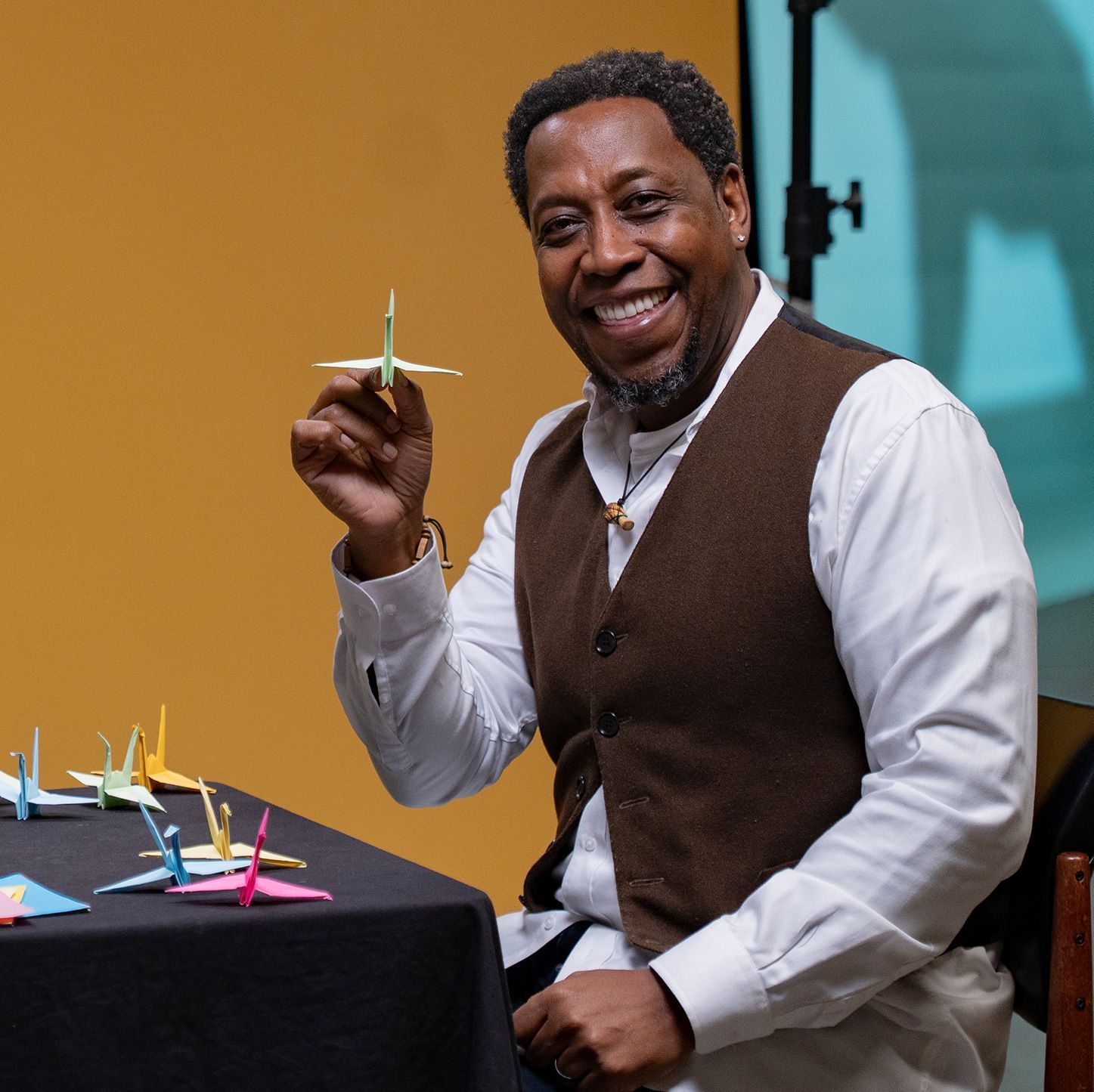
Pictured: Orlando Green, Dual Diagnosis Counsellor featured in the Raise It Campaign – provided his insights to help other practitioners support patients with alcohol and other drug challenges.
Strengthening access to culturally responsive alcohol and other drug support
CatholicCare’s AOD program has been funded since 2017 to deliver treatment support to adults from at-risk communities.
This year the program was further enhanced through funding received via the NWMPHN AOD Service Improvement Grant. This supported the delivery of six co-designed education workshops for Karen, Pasifika, and a range of African diaspora communities. These addressed topics such as alcohol-related harm, youth substance use, parenting, resilience and pathways to care. Approximately 240 people attended them.
The project established strong collaborations with community organisations and leaders, including refugee assistance services, ensuring activities were designed and delivered in ways that reflected local cultural needs and preferences.
Participating organisations expressed strong commitments to continue the collaborative model beyond the funding period.
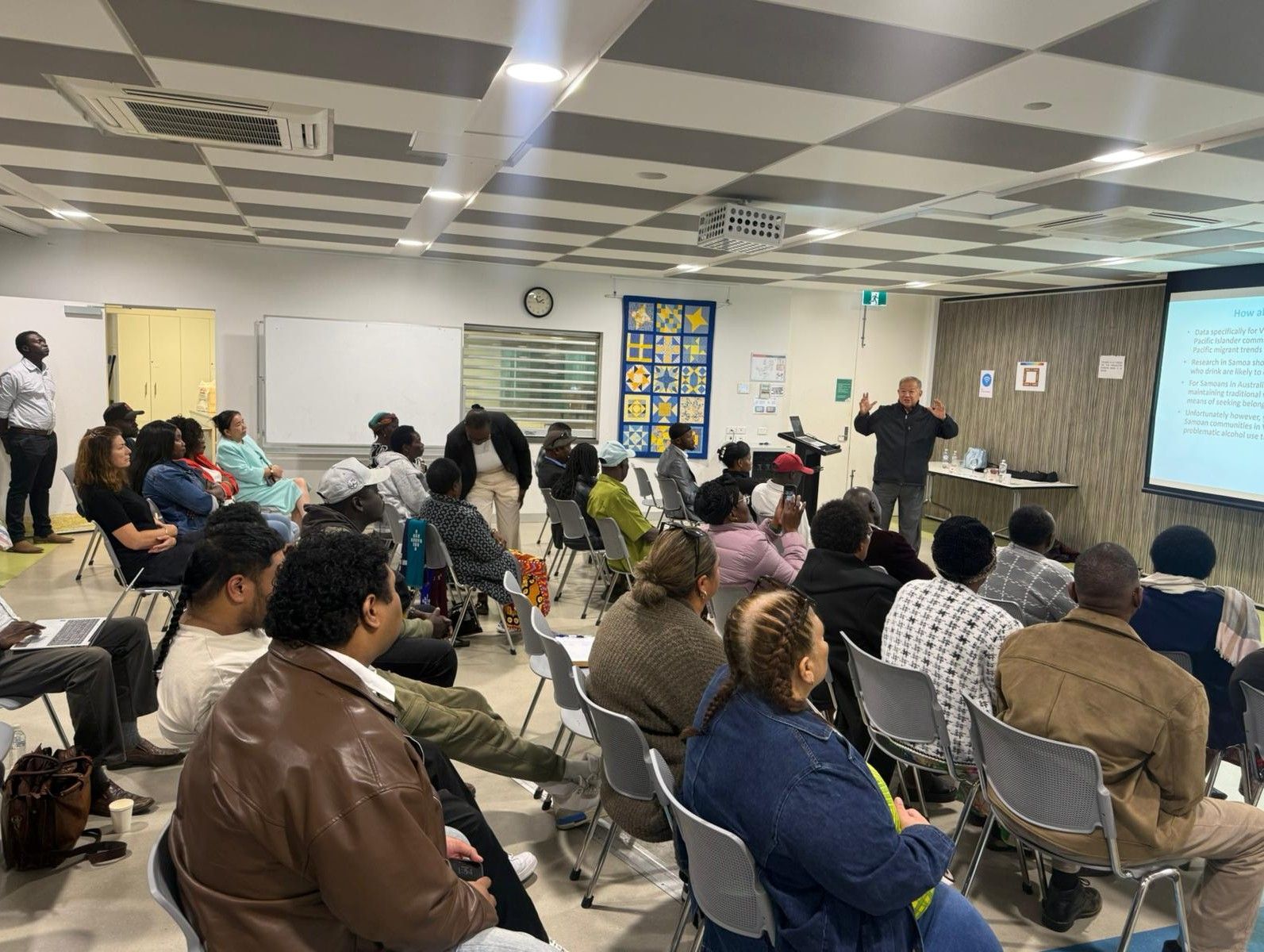
Pictured: Attendees at an alcohol and other drugs workshop delivered by CatholicCare.
Building workforce capability to better support young people with complex needs
NWMPHN also supported innovative workforce development initiatives to improve outcomes for young people experiencing AOD challenges exacerbated by trauma, mental health concerns and other complexities such as involvement with the justice system.
We enabled
a partnership between YSAS (formerly the Youth Substance Abuse Service) and justice system youth mentors 16 Yards to identify service gaps and opportunities for improvement. The project, called The Zone, involved extensive co-design and cultural consultation with frontline staff, peer workers, young people, families and lived-experience representatives.
The result was the development of practical, evidence-informed tools and resources designed to strengthen engagement with young people and support more consistent, person-centred practice. These included the My Community Game Plan and My Story My Direction resources, together with practice companion cards.
These were introduced through workforce training packages. Evaluation found this significantly increased practitioner confidence to apply AOD approaches, with reported confidence increasing from 64 per cent before training to 85 per cent following participation.
The project established a sustainable foundation for continued workforce development, embedding new frameworks into supervision, case review and practice processes to strengthen service responses.
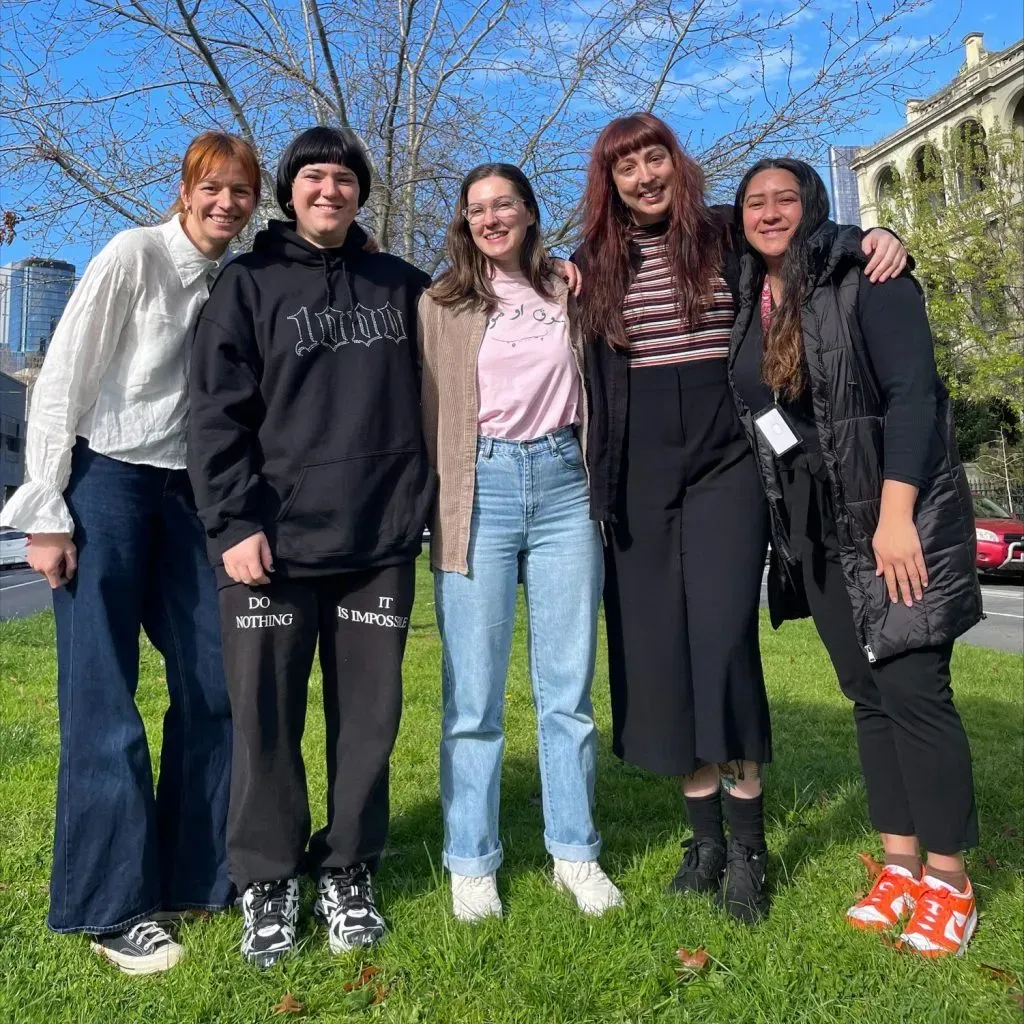
Pictured: The Zone AOD team – photo courtesy of YSAS.
Working together to Raise it
In 2025-26 NWMPHN launched the Raise It campaign to help reduce stigma and discrimination associated with AOD challenges.
Developed in collaboration with its commissioned services, health professionals, people with lived experience and leading sector organisations, the campaign brings together tools, educational resources and real-world insights to support compassionate, person-centred care.
It is endorsed by partners including the Victorian Alcohol and Drug Association, Harm Reduction Victoria, Orygen, Youth Projects, YSAS, the Australian Vietnamese Women’s Association, the Pharmaceutical Society of Australia and the Royal Women’s Hospital.
Raise It reflects NWMPHN’s commitment to fostering positive behaviour change across the health system. Recognising that stigma is often embedded in organisational practices, workplace culture and broader community attitudes, it encourages health professionals to reflect on assumptions, strengthen supportive conversations and improve access to care.
Through continued collaboration with partners and the expansion of resources, the organisation is working to create a more inclusive and equitable experience for people seeking AOD support.
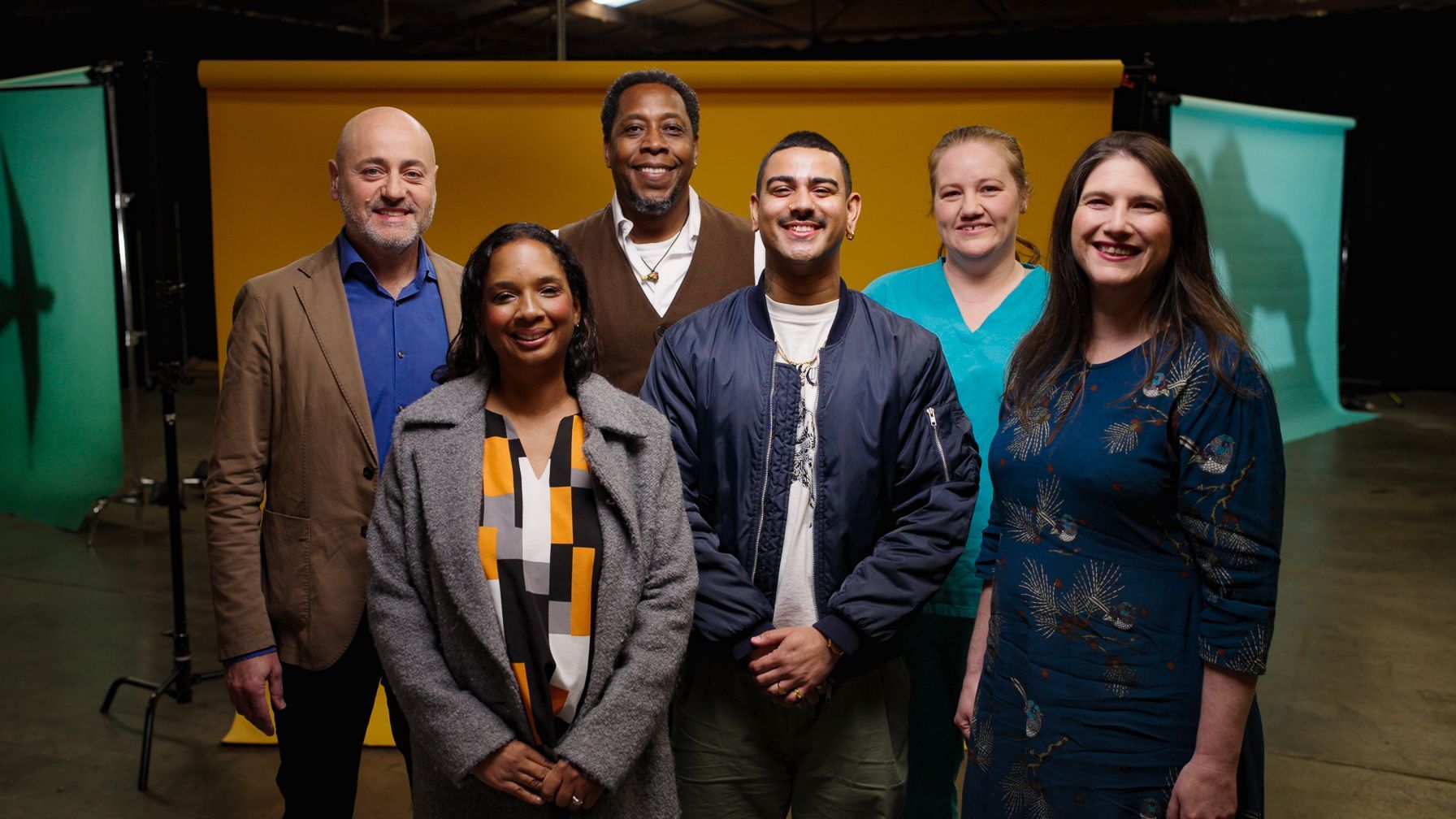
Pictured: Raise It: Working together to reduce stigma around alcohol and other drugs: (L-R) Angelo Pricolo - Pharmacist, Carlene Ngoma - Pharmacist, Orlando Green - Dual Diagnosis Counsellor, Kris Anderson - Medical Receptionist, Natalie O’Halloran - AOD Nurse Practitioner, Dr Anne Saunders – GP
Find out more about Raise It in this 30-second campaign video.
Dr Eric Hadinata, GP and alcohol and other drug specialist, shares his personal experience of stigma.
Ann-Marie Power, registered nurse, explains one thing she would change for better alcohol and other drug treatment.
Explore the full Raise it resources suite
NWMPHN has developed a range of resources to help raise awareness about the impact of stigma in AOD care. This includes posters, social media tiles and stickers. You can find them
here.