It has long been a recognised tenet of effective health care that preventing disease is a lot more efficient than treating it. But if treatment is necessary, then doing so as soon as possible will yield better results than delay.
The 2025-26 financial year saw several innovations around these intervention principles, with NWMPHN programs modelled around Department of Health, Disability and Ageing priorities bringing significant changes to patient care.
Projects to improve prevention and early interventions were active in several fields, including family violence response, multidisciplinary primary health care, support for older adults and management of chronic or complex conditions.
Concurrent with these, the Medicare Benefits Schedule was adjusted to encompass the new reach of the revised management plans. The requirement to consult with collaborating providers such as allied health and medical specialists when creating a care plan was removed to facilitate more rapid completion. However, practice nurses, Aboriginal and Torres Strait Islander health practitioners and Aboriginal health workers continue to contribute to the preparation of a GP Chronic Condition Management Plan and ongoing reviews.
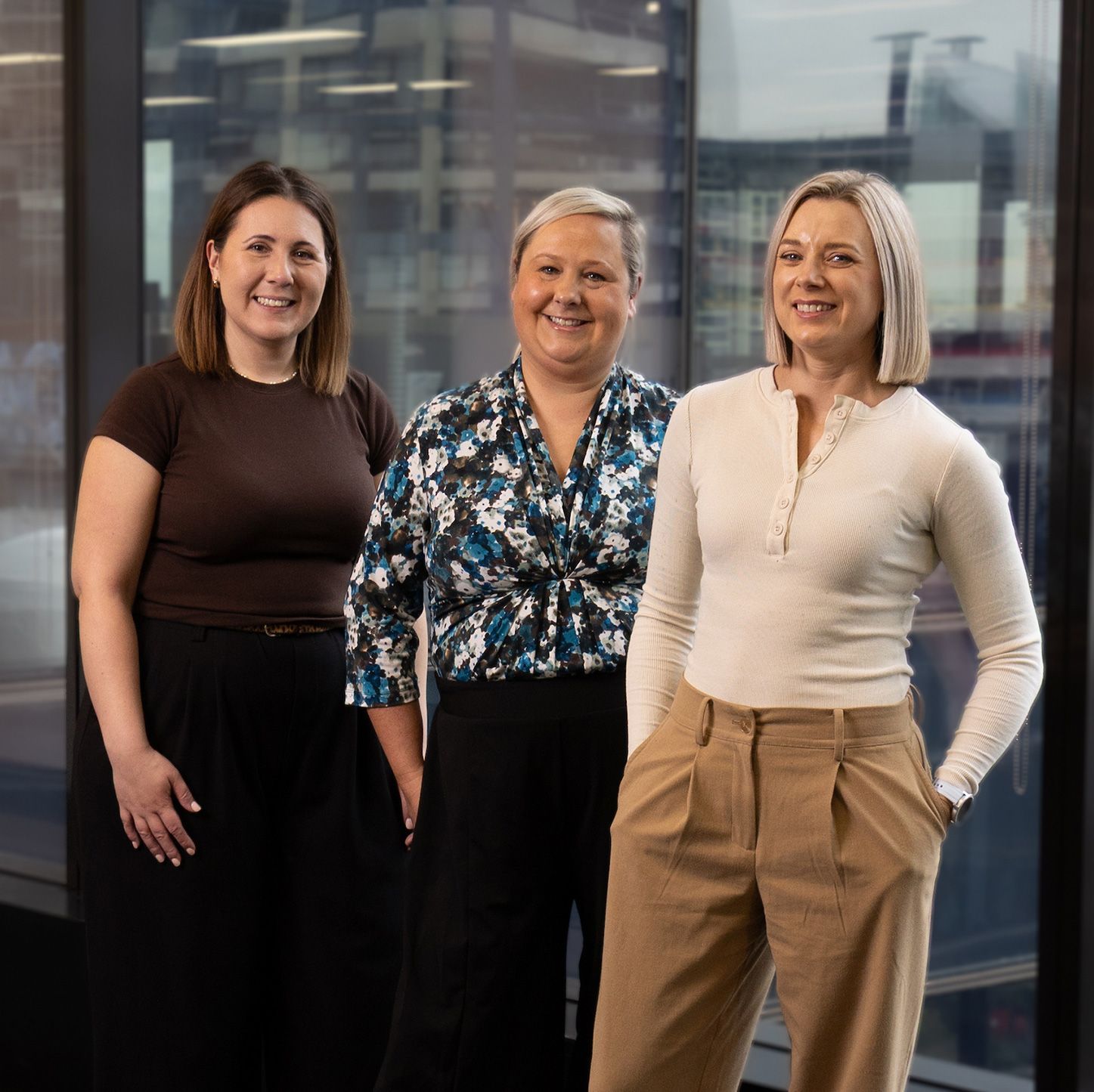
Pictured:
Leadership for NWMPHN’s Primary Health Care Improvement Team (left to right) Steph Germano, Jessica Holman, Michaela Lodewyckx

Pictured:
Members of NWMPHN’s Health Systems Integration business unit (left to right) Elisa Panozzo, Yvonne Bese, Estelle Alderson, Michaela Lodewyckx, Jessica Holman, Eliza Comerford, Dee Verma, Steph Germano, and Marie Hunt.
Preventing measles in adults
Another significant prevention measure concerned measles. In December 2025, NWMPHN teamed up with its Eastern Melbourne counterpart and the North Eastern Public Health Unit to launch a drive to promote free measles-mumps-rubella (MMR) vaccinations among under-immunised adults.
The move was prompted by an uptick in measles cases around the world. This is driven partly by public vaccine scepticism, but also by an inherent vulnerability for people born between 1966 and 1992, when recommended MMR vaccination scheduled were downshifted from two to one dose.
The drive was aimed at primary care practitioners and encouraged MMR vaccine ordering, awareness raising and patient-facing promotional material.
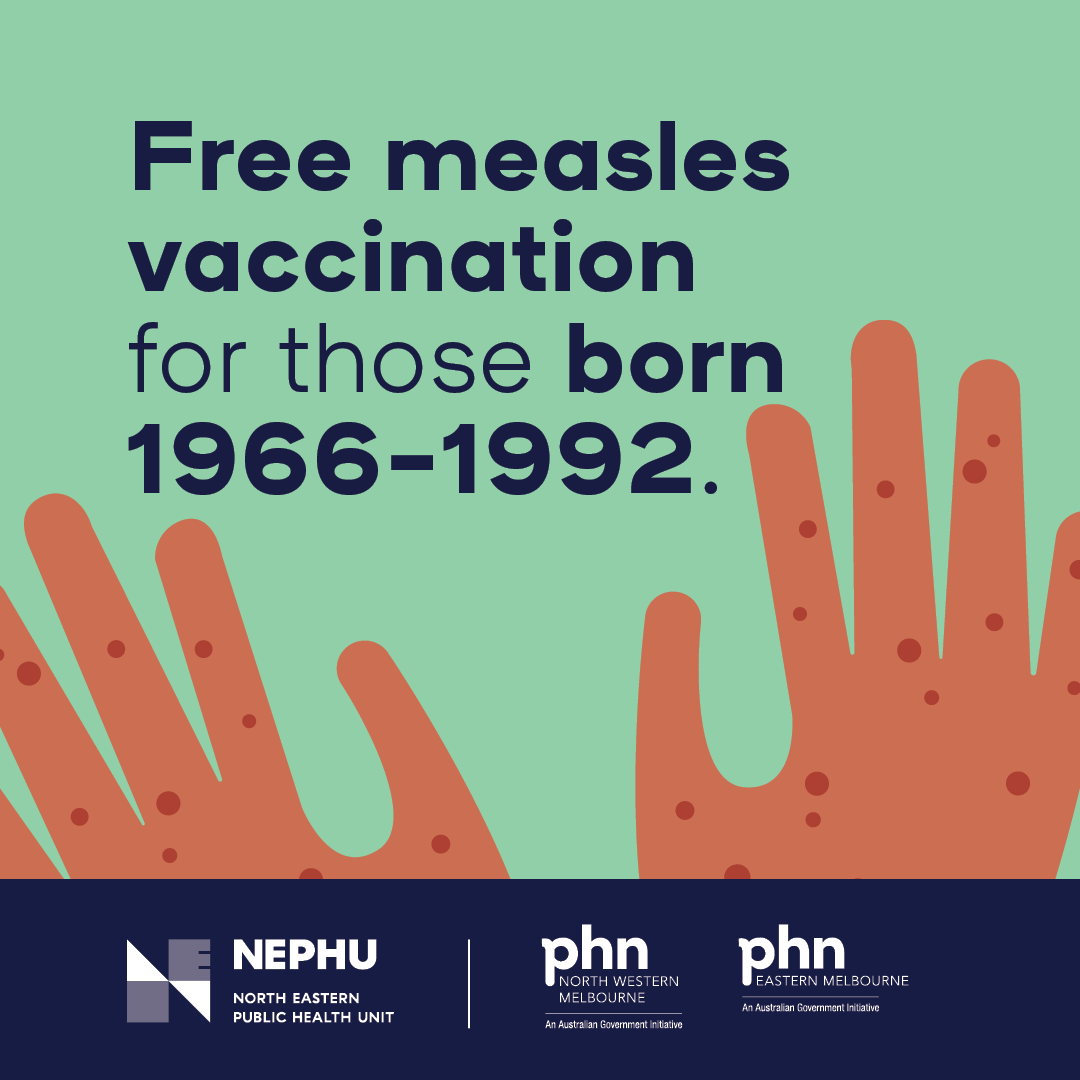
Picture: Measles campaign social media tile.
Small steps, meaningful impact
Also of note was the completed testing of the first phase of a program known as Early Interventions for Healthy Ageing (EIHA) which supports people over 50 to live at home for as long as possible.
The program, conducted by NWMPHN’s Integrated Care directorate, saw 10 general practices commissioned to initiate early intervention activities and models of care for chronic disease management to assist healthy ageing and thereby reduce pressure on hospitals, aged care and other health services.
Key to the EIHA approach was a way of working known as the 4Ms: What Matters, Medication, Mentation, and Mobility. This encouraged focus on patient goals, medication reviews, monitoring cognition and memory, and assessment of physical function and independence.
“Better outcomes begin with earlier action, but early intervention only succeeds when we understand the whole person, said Sarah O’Leary, NWMPHN’s Director, Integrated Care.
“Through the 4Ms framework, we start with what matters most to each individual, while also considering their mobility, mentation and medication needs. By placing the person at the centre of care and bringing together multidisciplinary teams around their goals, we can identify risks earlier, address unmet needs and support people to maintain their health, independence and quality of life for longer.”
In mid-2026 the program was granted a second phase, lasting until mid-2027.
“This renewed emphasis on multidisciplinary teams is very welcome,” said Sarah.
“It keeps the wishes of the person front-of-mind and boosts training and education opportunities for clinicians. It helps enable more health professionals to work closer to the top of their scope, and brings about a system that is not just more effective – but also more fair and equitable.
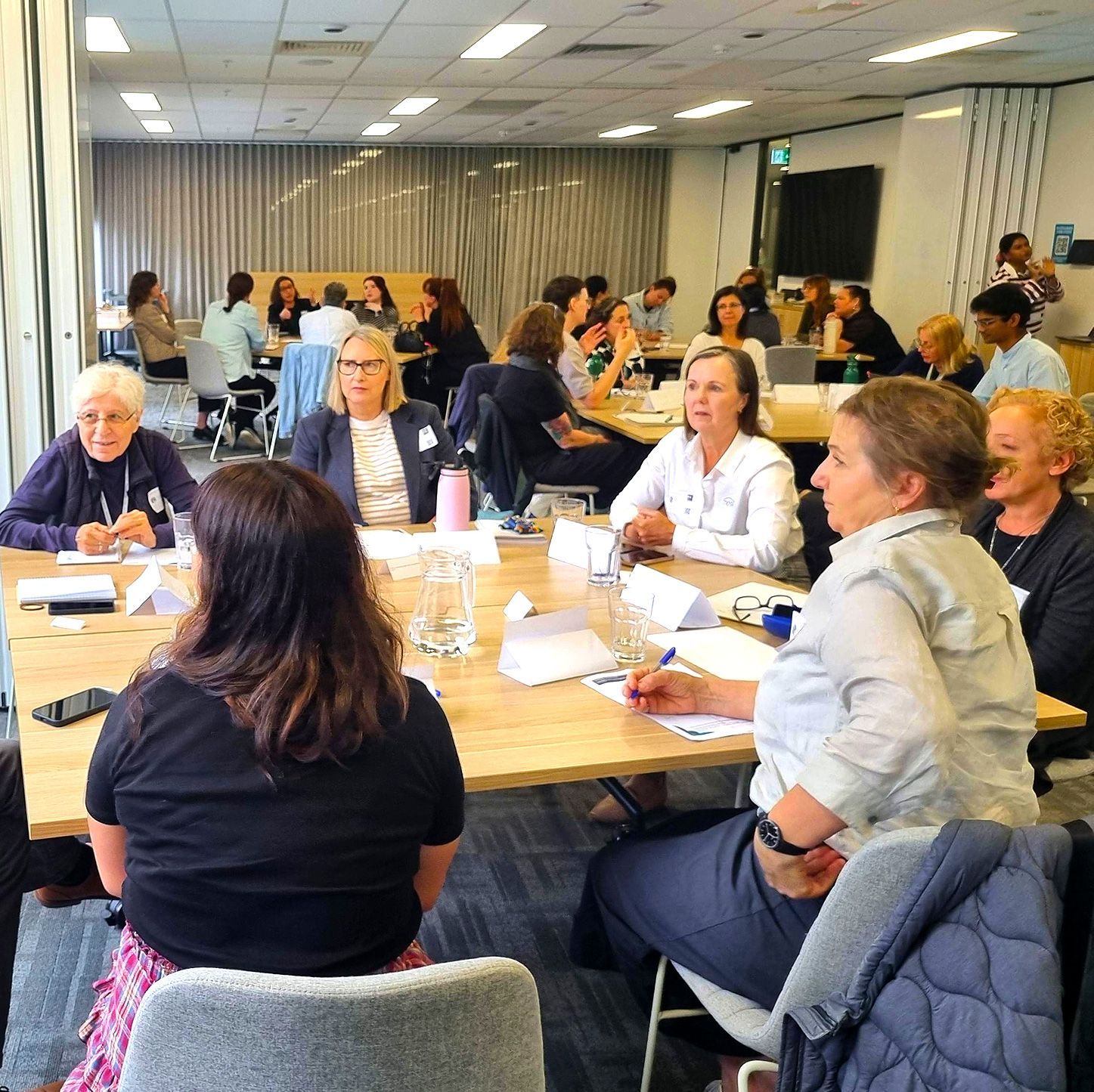
Pictured: A community of practice connected primary care with aged care sector and with providers for the Early Interventions for Healthy Ageing (EIHA) and care finder programs.