Everyone has a right to effective health care. For some communities, however, accessing and receiving that care can be complex.
In response to the priorities of the Australian Government, and underpinned by the data-driven findings of our health needs assessments, NWMPHN commissions organisations to tailor health care programs that meet the needs of particular priority populations.
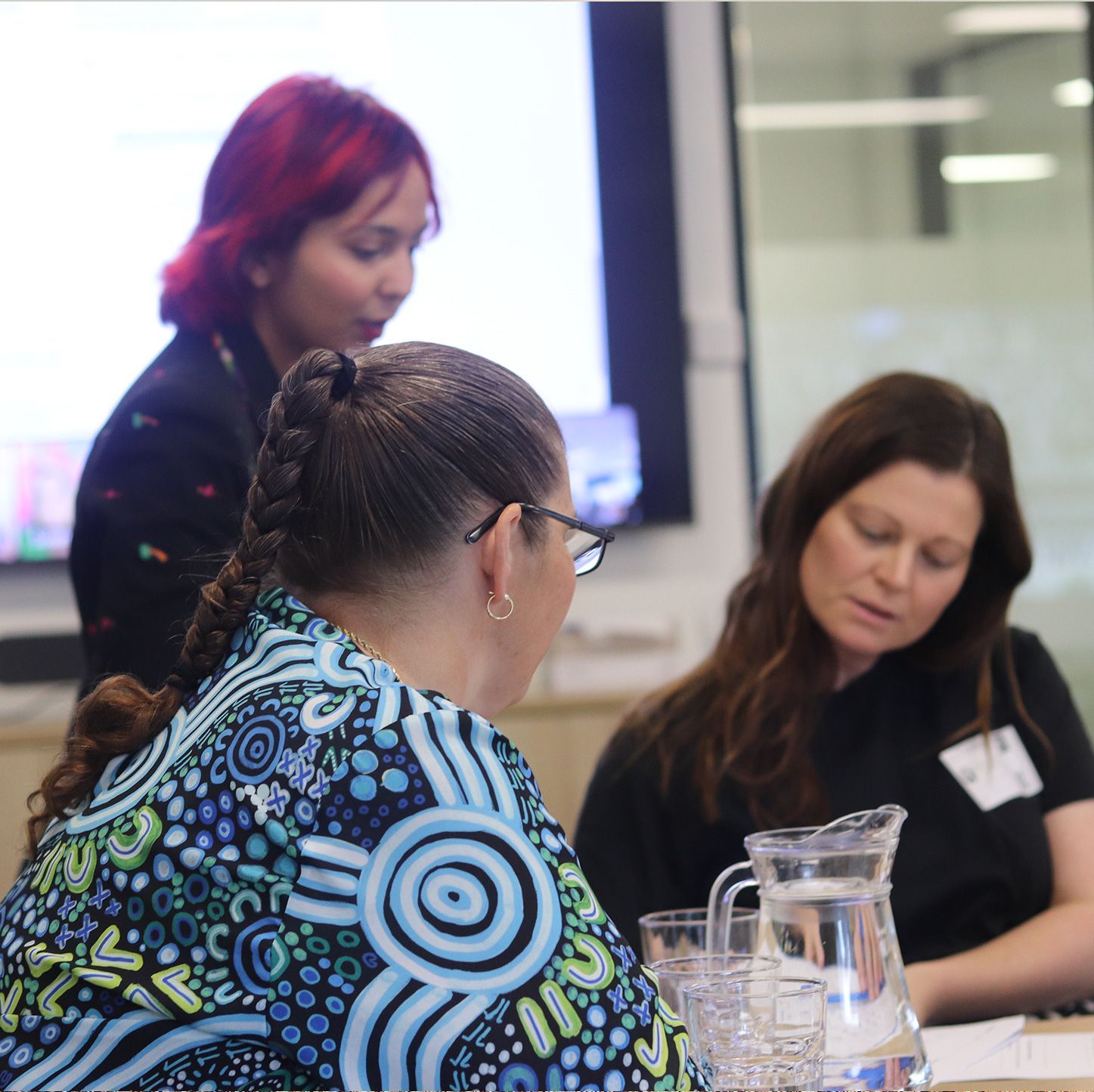
Pictured: NWMPHN, SEMPHN and EMPHN co-facilitate at an ITC community of practice with program staff to share challenges, successes and develop a collaborative environment to increase peer support and improve client journeys.
Supporting First Nations health and wellbeing
Around 21 per cent of Victoria’s First Nations population resides in NWMPHN’s catchment. Through strong partnerships with the Victorian Aboriginal Health Service (VAHS), peak body the Victorian Aboriginal Community Controlled Organisation (VACCHO) and other entities, we commission culturally safe, community-led services that respond to local needs and strengthen access to care.
Improving health outcomes for Aboriginal and Torres Strait Islander people remains a priority for NWMPHN and central to our contribution to Closing the Gap.
In 2025-26, our funding continued to support a broad range of programs across mental health, alcohol and other drug treatments, and chronic disease management. These services provide holistic, trauma-informed care that recognises the connection between physical, social, emotional and cultural wellbeing and places self-determination principles at their core.
Specialist services for Aboriginal
adults and
young people through VAHS enabled mental health treatment, care coordination and cultural supports.
Alcohol and other drug services delivered culturally safe, holistic treatments focused on harm minimisation, recovery and long-term wellbeing.
The
Integrated Team Care (ITC) program delivered by VAHS, cohealth, IPC Health and Western Health improved access to primary care, specialist services and practical supports. It completed over 10,000 care coordination activities alongside clinical and outreach services.
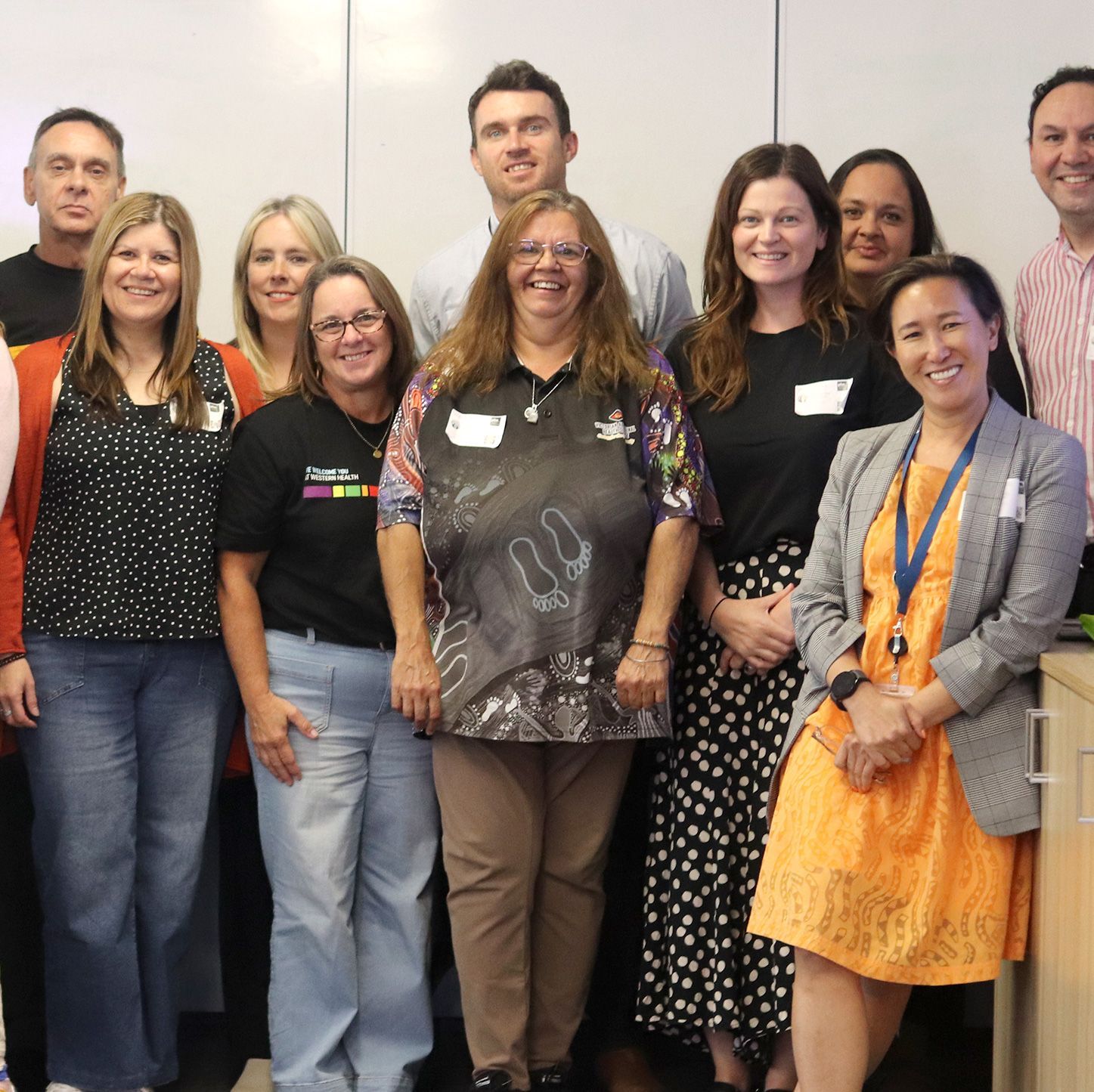
Pictured: Participants at a ITC community of practice, held at NWMPHN offices.
Care finder: helping older adults access care in the community
The Australian Government's care finder program supports older people who need specialist and intensive assistance to navigate the aged care system and access the services they need.
NWMPHN works in partnership with eight service providers to deliver the program across its catchment. Services are tailored to local needs, including those of culturally and linguistically diverse communities, Aboriginal and Torres Strait Islander peoples, people with disability, and those experiencing, or at risk of, homelessness.
During 2025-26, the program continued to strengthen workforce capability and improve access. This year, clients in our region were connected to 4,615 services.
Care finder providers visit places where they can connect with eligible adults, explain how the program works and help them access the support they need. This is known as ‘assertive outreach’.
In the last half of the year there were 722 hours of assertive outreach activities.
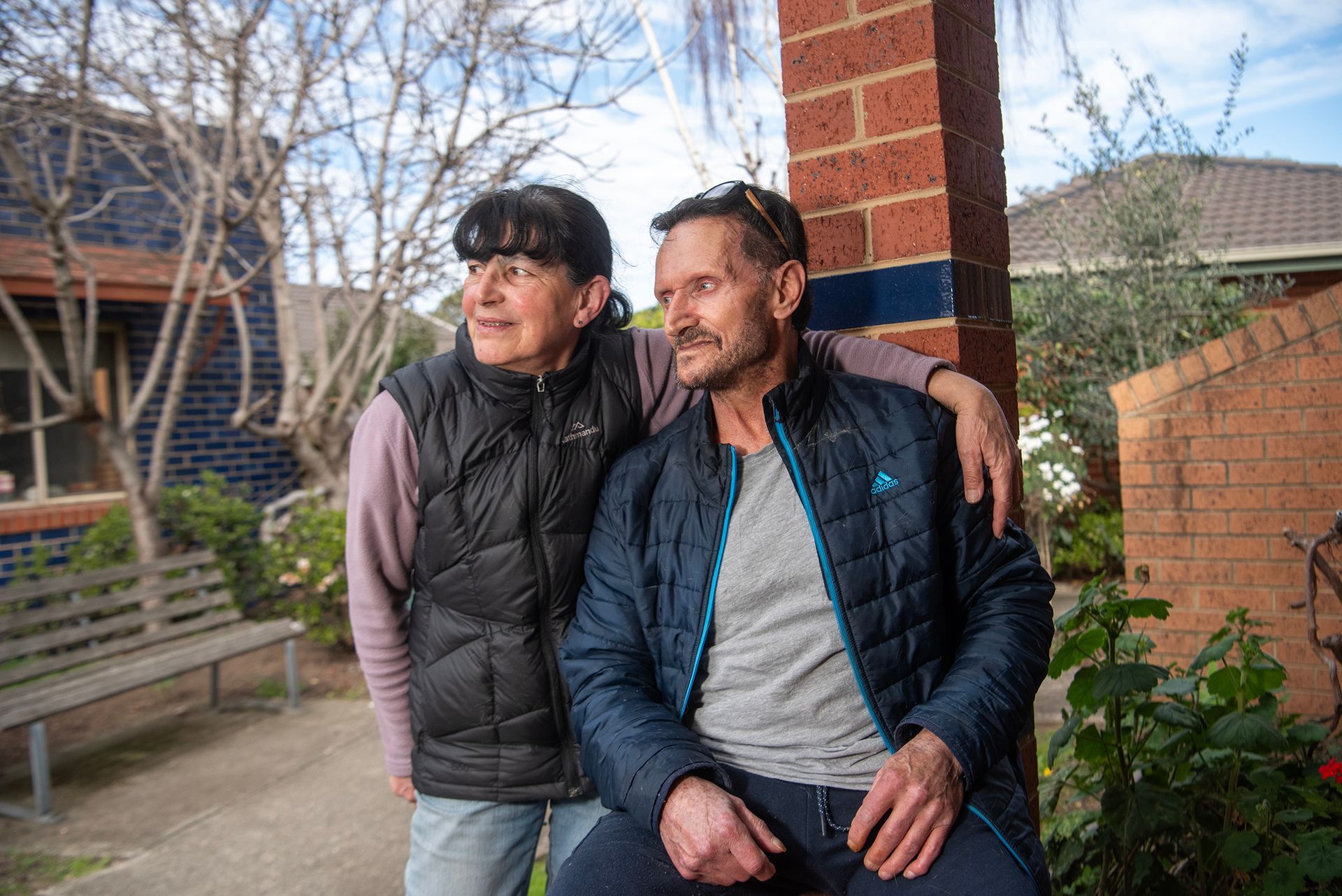
Pictured: Vince, with his cousin Mary, was helped to find a range of support through the care finder program. Image credit: Mike Keating.
Improving access to multicultural communities in Hume
In July 2025 NWMPHN commissioned DPV Health to deliver its Improving Access to Primary Care for Multicultural Communities program, focused on the local government area of Hume.
The program improves equitable access to, and experiences of, primary health care for people from multicultural backgrounds living in the area. It identifies barriers to navigating the health system and supports more culturally safe, person‑centred care.
To facilitate the work, DPV Health has established a dedicated project team comprising a program lead and four bilingual health navigators who speak Arabic, Turkish, Punjabi, Urdu and Hindi.
In addition, it set up a multicultural health navigation phone line to help community members understand the system and access appropriate services, as well as overcome barriers related to language, culture, digital or health literacy, transport navigation and social isolation.
For the GP component DPV Health provided resources, translated health information, cultural competency tools, and flexible tailored support. Engagement expanded from three to 18 general practices across the LGA, strengthening connections between multicultural communities and primary care services while building GP capacity.
By supporting community members and the primary care workforce, the program helps drive sustainable change across the local health system.
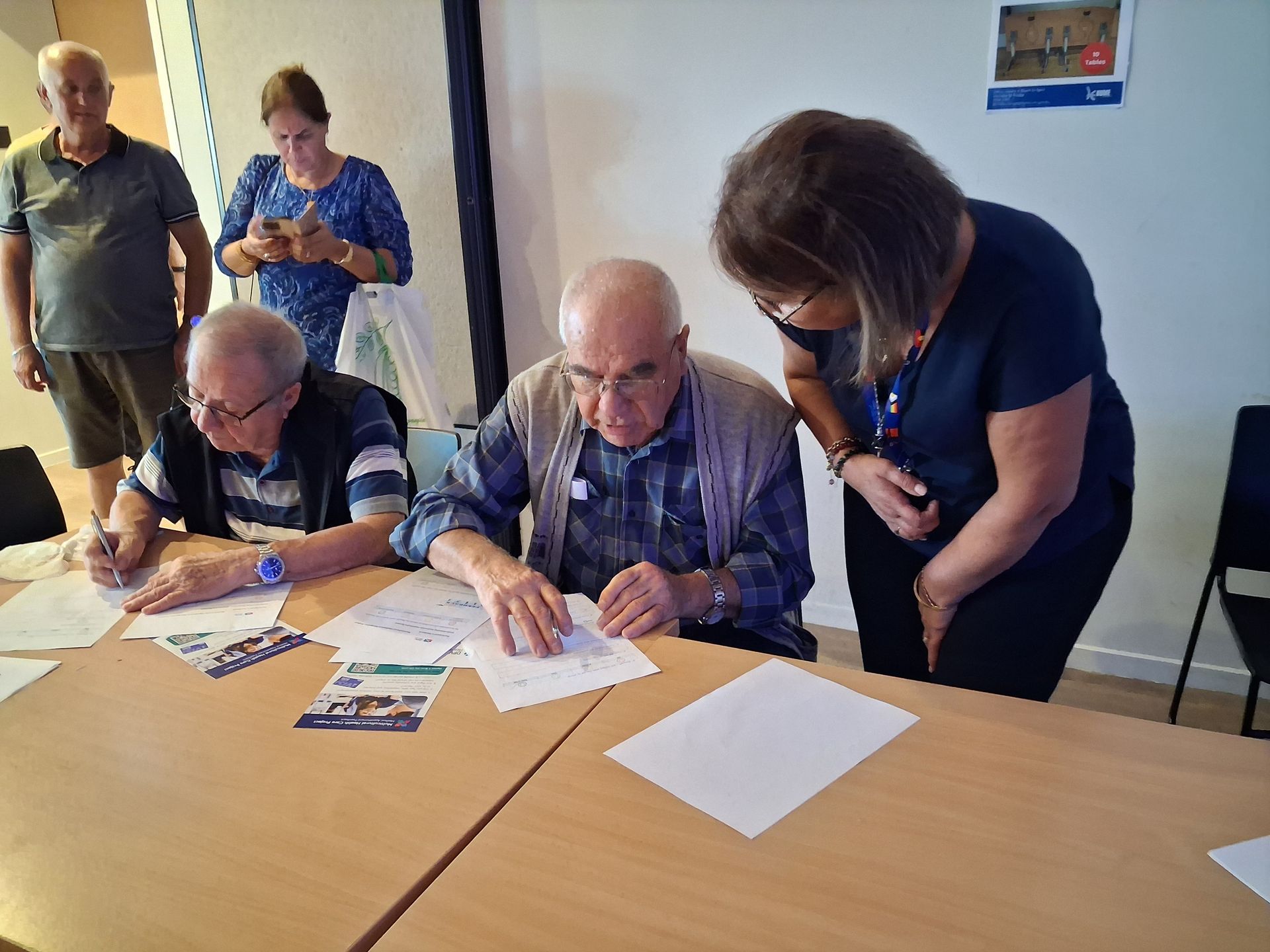
Pictured: Care navigators help community members in Hume through DPV Health's Improving Access to Primary Care for Multicultural Communities program.
Across the Improving Access to Primary Care for Multicultural Communities program ...
community members received navigation support.
of clients successfully accessed primary health care services following referral.
of clients reported a positive experience with the navigation service.
clients received direct support through the helpline.