GPs must have insight into physical and mental health.
This is sometimes stressful and challenging. Better outcomes are achieved when care and decision-making are shared rather than carried by one clinician alone.
Reflecting the Australian Government’s priorities, especially around strengthening Medicare, NWMPHN is committed to developing and expanding systems of integrated care. One of these is multidisciplinary team (MDT) care.
General practice will always be at the heart of care, but integration sees GPs, practice nurses, practice managers and support staff combining with providers from allied health, mental health, pharmacy, social work and aged care.
The goal is each patient linked up with all the care professions needed. This results in boosted communication, shared knowledge, and deeper insights. It means not having to repeat stories, and a patient-centred decision-making process.
Integrated care varies according to circumstance, location and cohort. NWMPHN is exploring its use in fields including vaccination in aged care facilities, eating disorder support, complex condition management, First Nations health, chronic pain relief, mental health, substance use disorders and paediatric care in the community.
Because a GP can do wonders, with everyone working to the top of their scope in a coordinated way patient benefits are maximised.
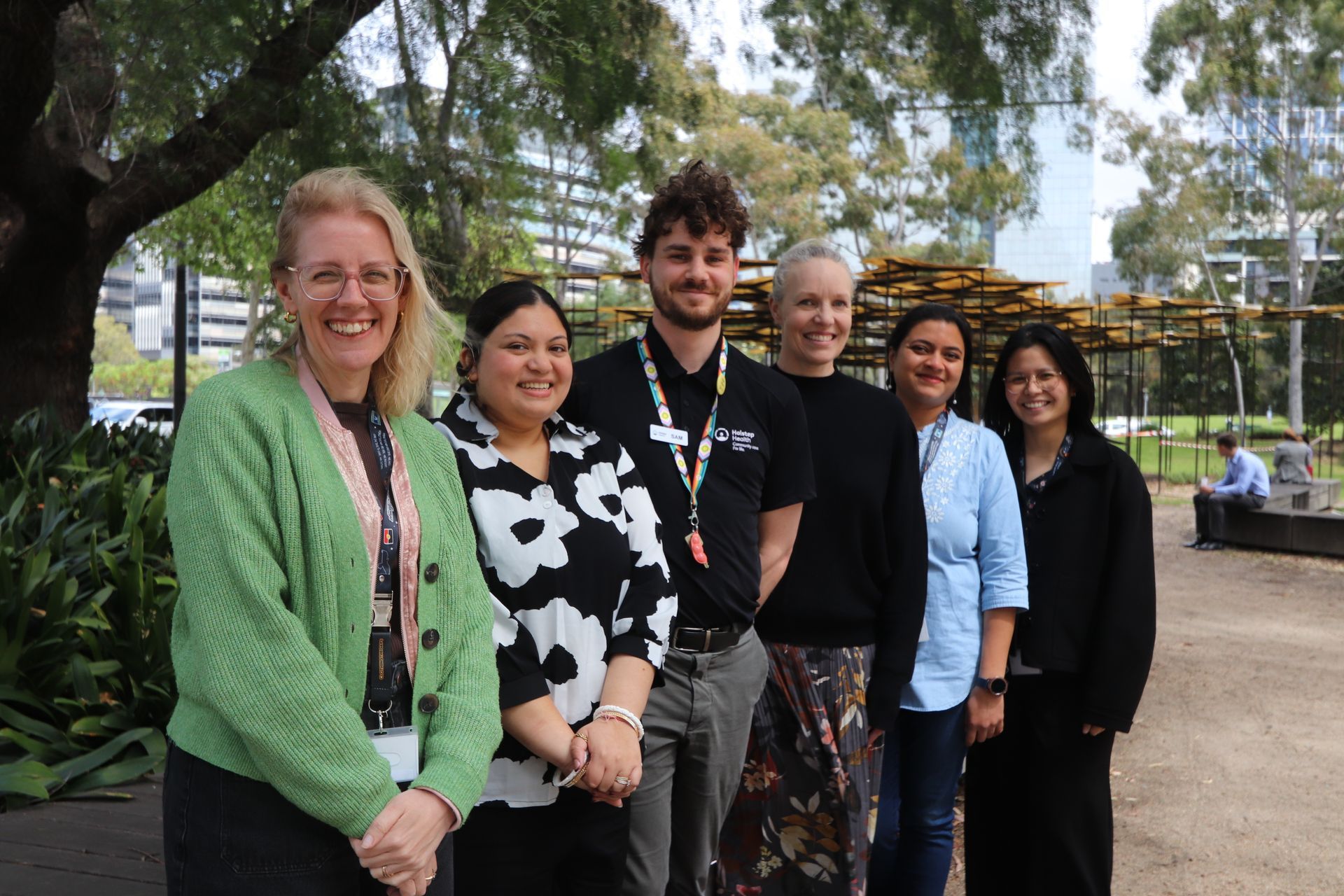
Multidisciplinary team care
Explore how NWMPHN is connecting general practice with multidisciplinary care teams to provide coordinated, person-centred support for people living with chronic or complex health needs.
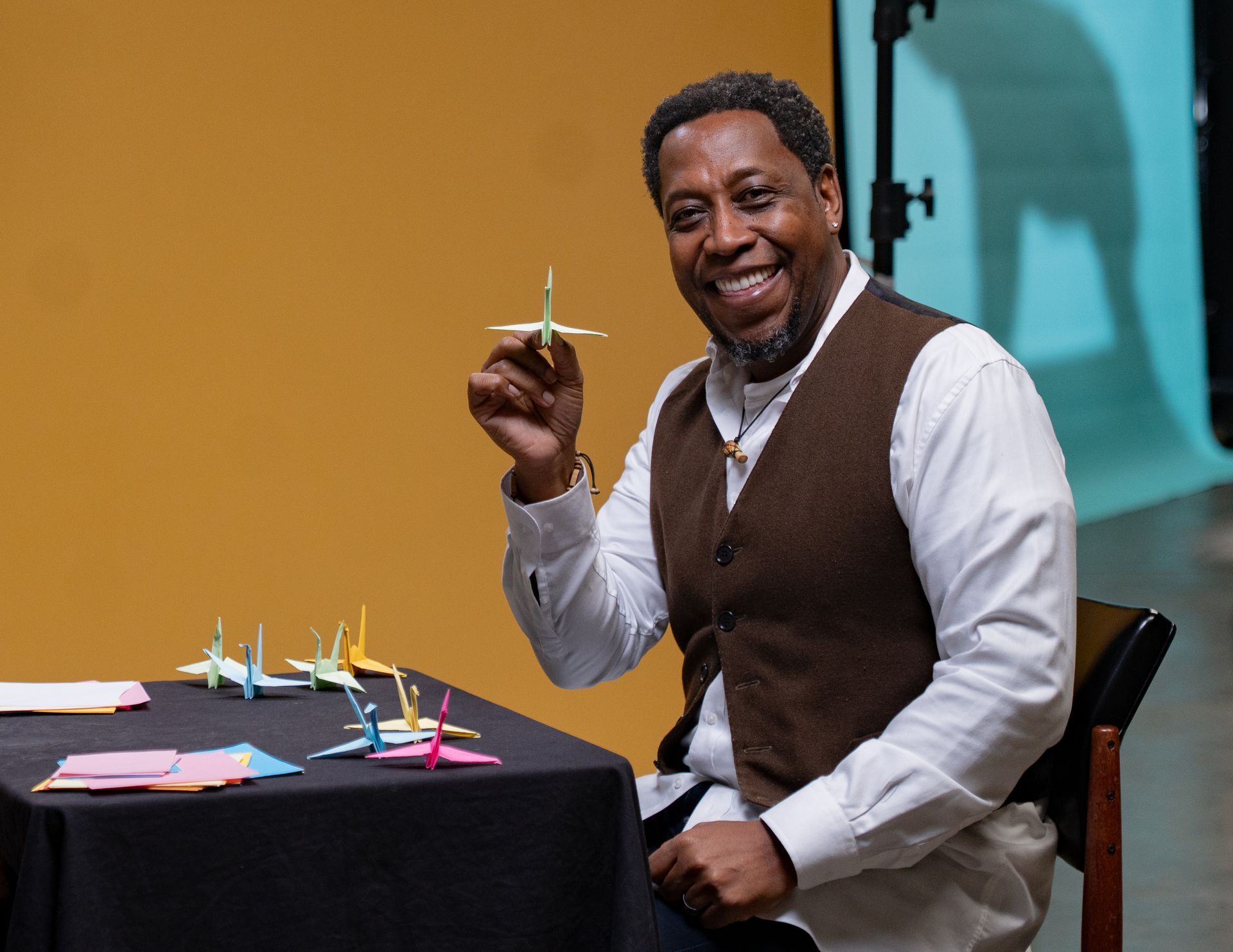
Working together for AOD care
See how NWMPHN works across the alcohol and other drug sector to improve access, strengthen workforce capability and deliver integrated, culturally responsive and person-centred support.
Collaboration between settings
Learn how NWMPHN connects schools, general practice, specialist services and community providers to improve access to coordinated health care for children, young people and their families.