Residential aged care services are navigating significant change across clinical practice, quality requirements, workforce development, digital health, and service delivery.
NWMPHN is playing active role in all these fields, working closely with Department of Health, Disability and Ageing, residential aged care home operators and staff, general practices and allied health providers to optimise care and support for older people.
With over 130 residential aged care homes (RACHs) in our region we work to boost how care is coordinated and delivered for residents, while helping staff navigate a complex and changing health system.
By enabling effective uptake of MyMedicare and the General Practice in Aged Care Incentive, we have ensured that every RACH has been offered support to match with a GP if they need one. We also support better connections between RACHs and allied health professionals and hospitals, so residents receive the right care at the right time.
This includes initiatives such as the Department’s aged care on-site pharmacist program, telehealth support and afterhours workflow planning, as well as the provision of imprest systems, that strengthen collaboration across disciplines and improve continuity of care.
NWMPHN is also active in helping to support older people who are independent and choose to remain living their own homes. We do this through active engagement in commissioning around services such as the Australian Government’s care finder program, which provides face-to-face support to help people understand and access the My Aged Care system and connect with other relevant supports in their community.
Other services include education and training for health service providers, allied health and pharmacy.
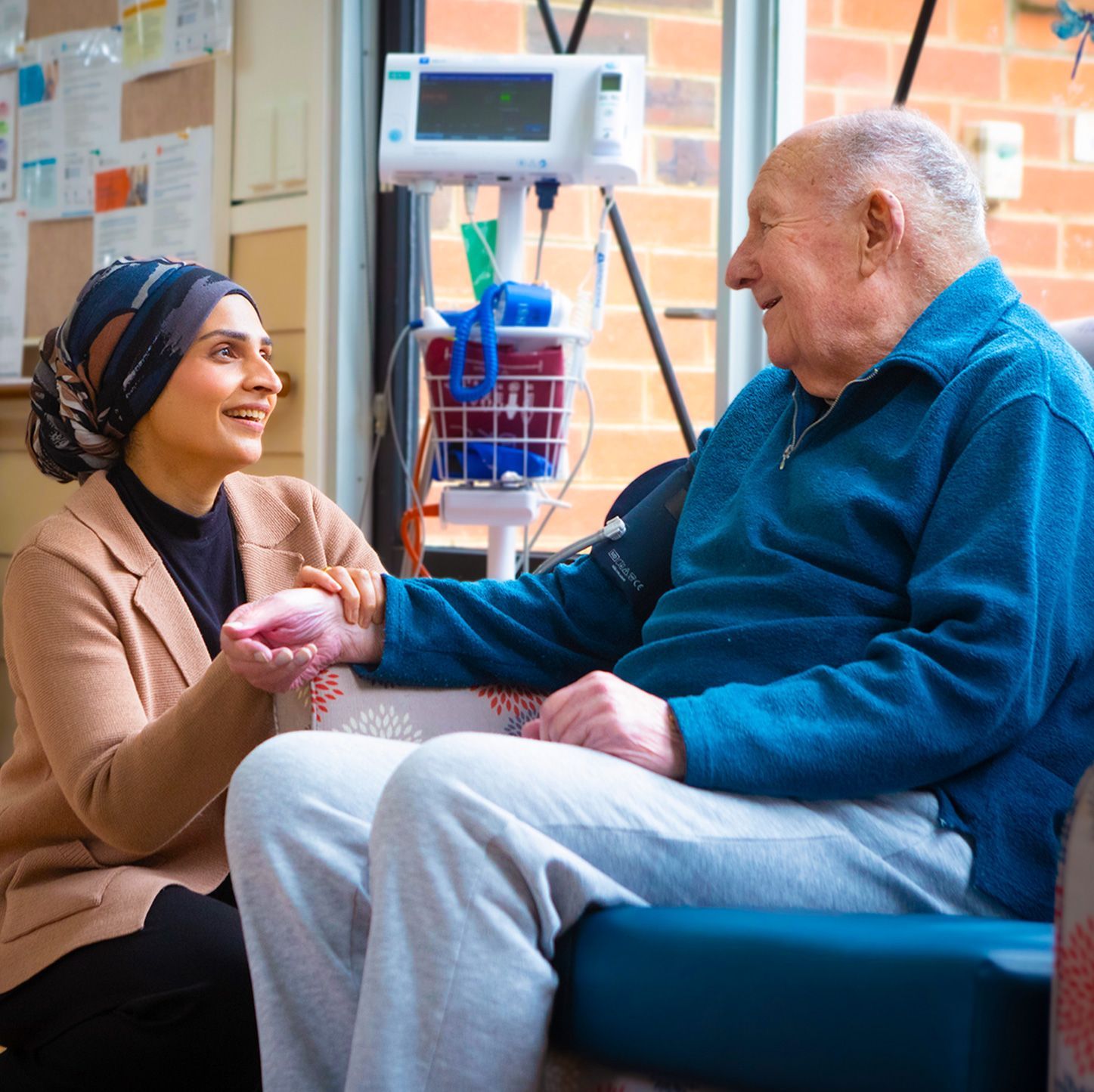
Pictured: Ayesha Masood and resident at Ian Brand residential aged care home in Bundoora.
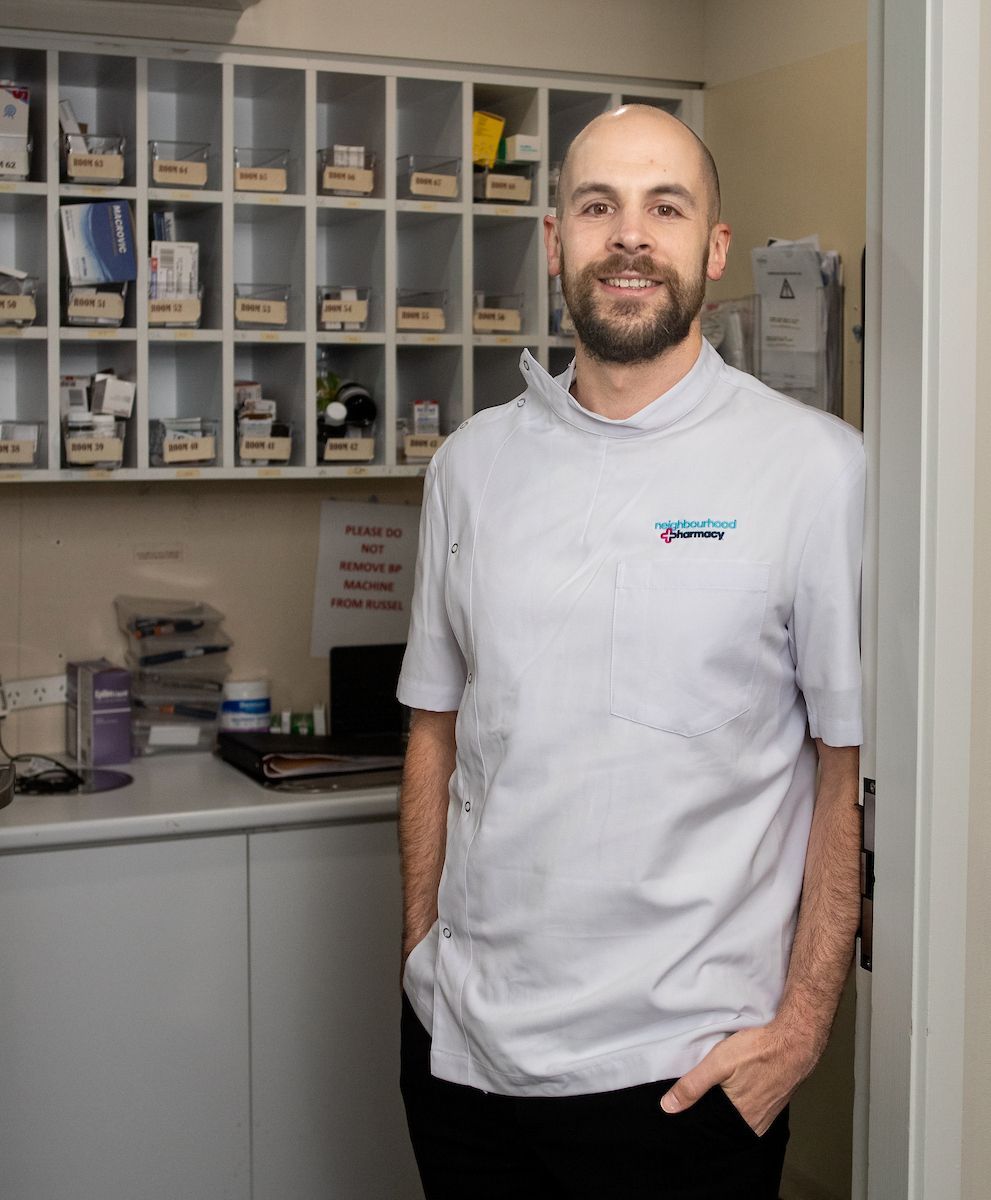
Pictured: David Cannalonga – Pharmacist supporting Arcare
residential aged care home.
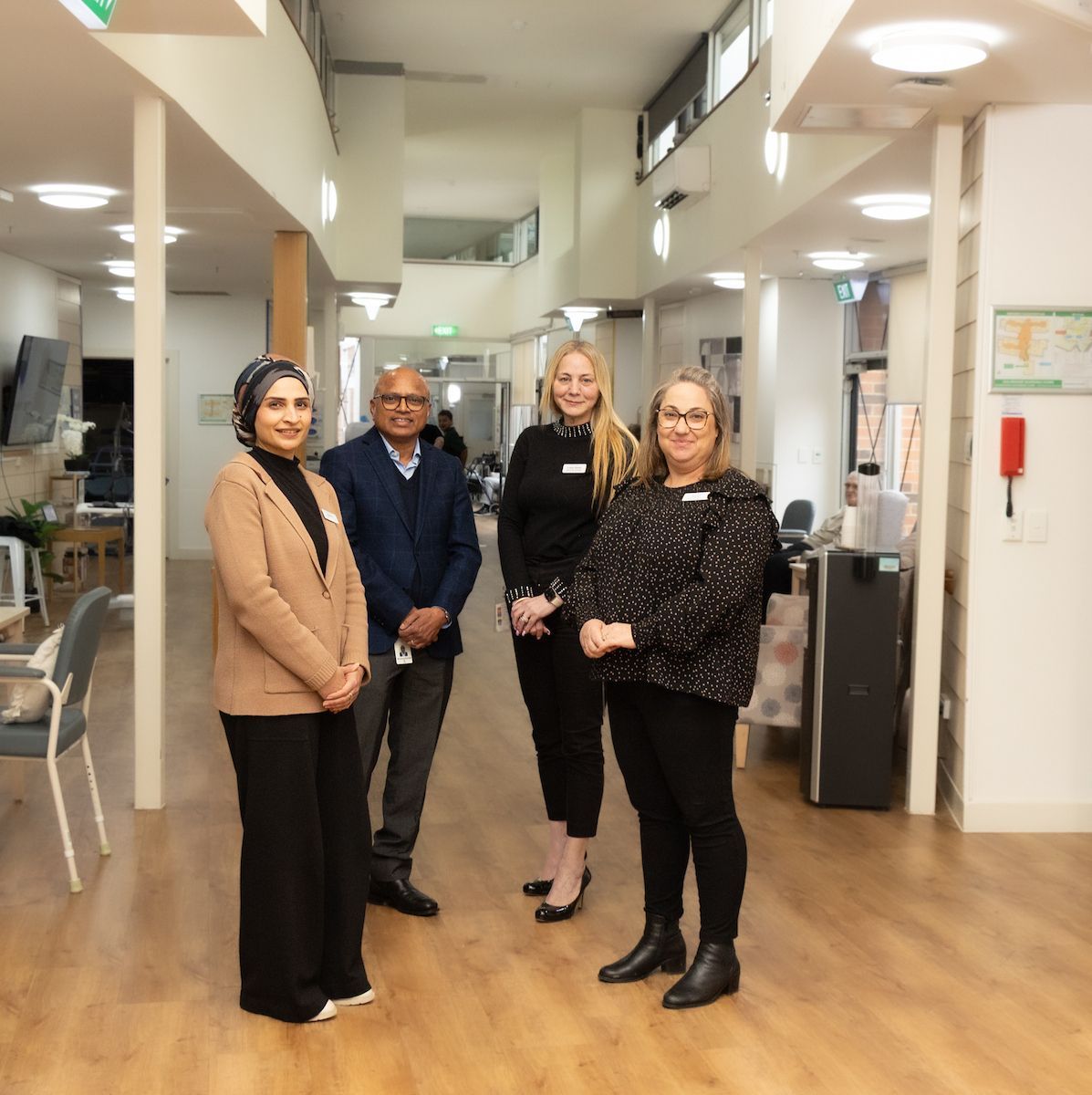
Pictured:
Team at Ian Brand residential aged care home - Ayesha Masood, Dr Mohammed Rasheed, Lumnise Gashi and Kerryn Busutti.
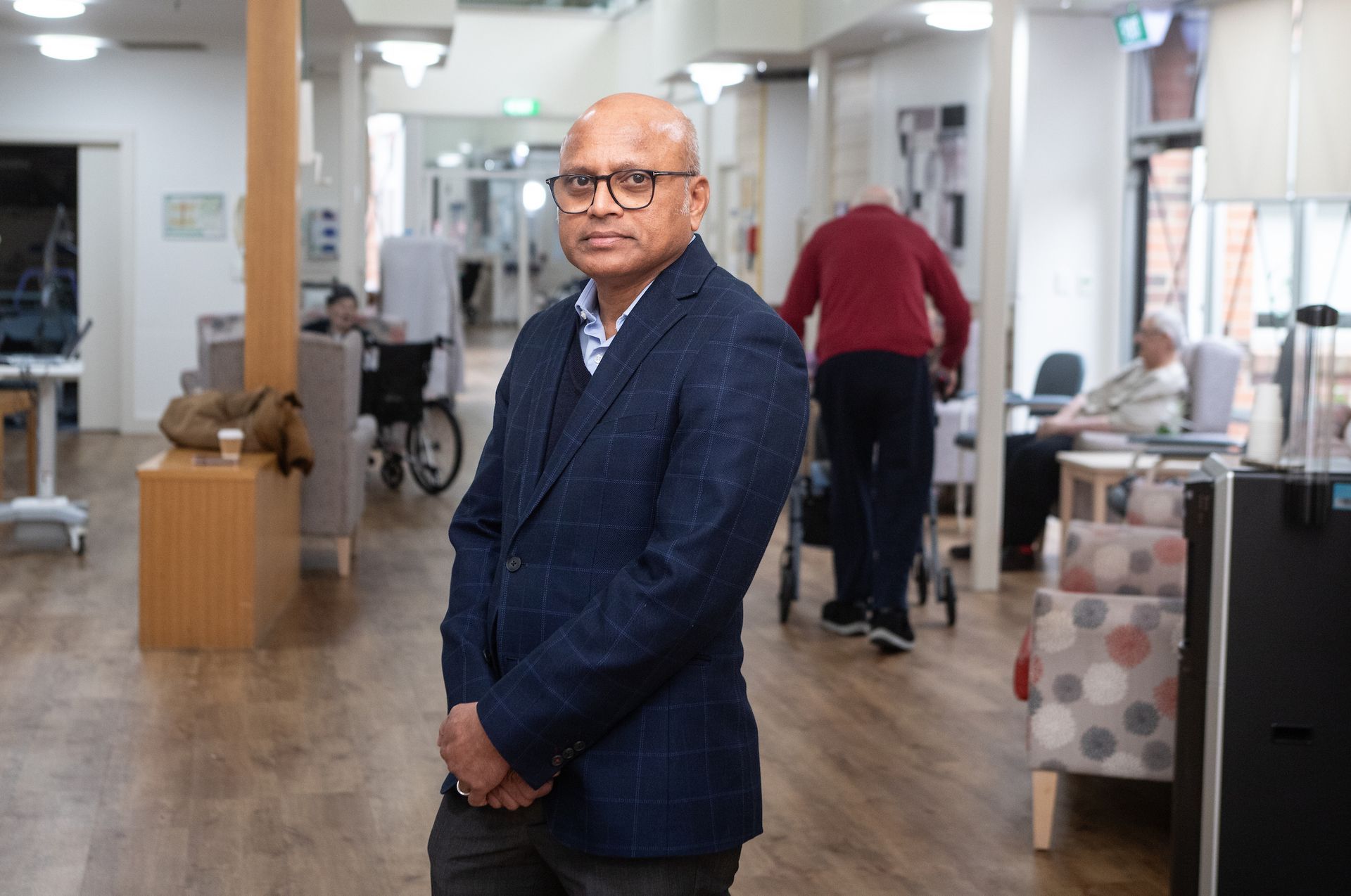
Pictured: Dr Rasheed – is the visiting GP for a number of RACHs and finds working in aged care extremely rewarding.
Aged care: vaccinating the vulnerable
Victorian Department of Health figures show that average reported cases of COVID-19 trended downwards across 2025-26. However, by the end of the year verified numbers remained substantial – at around 400 per week – coupled with an unknown number of unreported infections.
And while COVID-19 circulates freely within all communities, certain groups of people – and certain settings – are more likely than others to be exposed to risk. Older people in residential aged care are particularly vulnerable, both from the enclosed nature of their living arrangements, and the often compromised condition of their health.
Encouraging high rates of COVID-19 vaccination within aged care settings was thus a high priority for NWMPHN during 2025-26.
Health care in aged care settings has undergone changes. The regulatory requirement to have nurses on duty in aged care homes 24 hours a day has been an important step. Also important was the advent in 2025-26 of the Australian Government’s General Practice in Aged Care Incentive.
Nevertheless, figures show that vaccination rates vary across aged care homes. With this in mind, program officers from NWMPHN’s quality improvement team looked in depth at homes that achieved high rates of immunisation.
They found that although approaches differed in some respects, success was always based on a combination of multidisciplinary team-building and involving residents and families in decision-making.
“Aged care brings particular challenges in terms of communication and consent, but a collaborative and resident-centred mindset can resolve many of these difficulties,” said NWMPHN’s Dee Verma, who coordinated the research.
“We hope that by profiling the team-based approaches used by homes with successful immunisation rates we can demonstrate pathways for quality improvement across the sector in our region, building the capacity of aged care operators to provide the right care for residents at the right times.”
More on this topic:
- Maintaining COVID-19 vaccination rates at Northern Health’s Ian Brand Centre in Bundoora - North Western Melbourne Primary Health Network
- Achieving high COVID-19 vaccination rates in aged care in Reservoir - North Western Melbourne Primary Health Network
We hope that by profiling the team-based approaches used by homes with successful immunisation rates we can demonstrate pathways for quality improvement across the sector in our region, building the capacity of aged care operators to provide the right care for residents at the right times.
Dee Verma
Program Officer • NWMPHN